
Everything You Need to Know About Funding Your Studies in Italy
If you want to study at a university with a strong academic reputation and reasonable costs, look no further. Italy is home to some of the world’s oldest universities, and they offer high-quality education with affordable tuition.
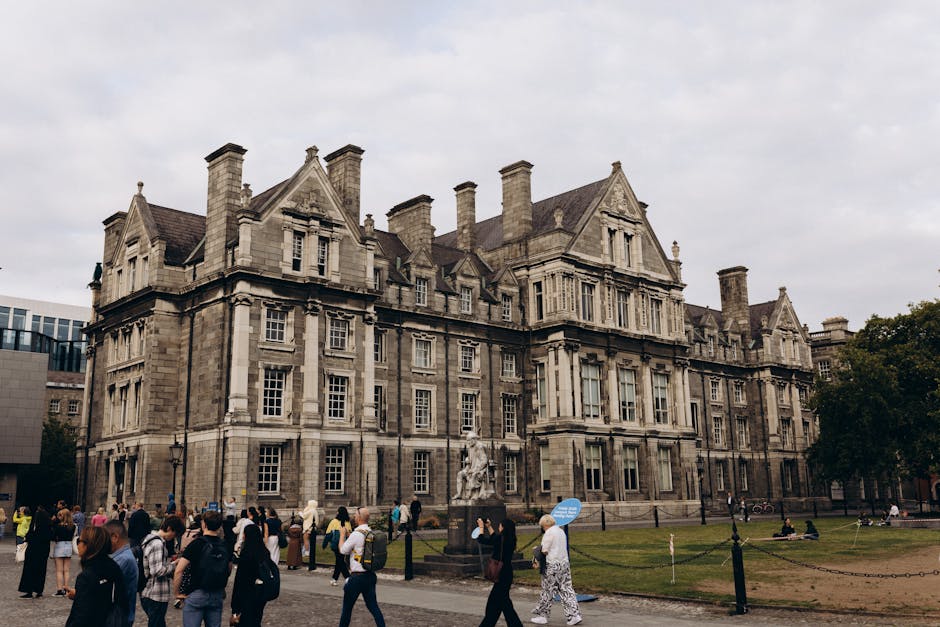
If you want to study at a university with a strong academic reputation and reasonable costs, look no further. Italy is home to some of the world’s oldest universities, and they offer high-quality education with affordable tuition.
Beyond tuition, you will also need to budget for additional expenses, including accommodation, food, transportation, study materials and resources, and healthcare.
Here is a closer look at what you need to know about financing your studies in Italy.
Tuition
Tuition fees in Italy are set by each institution. That means costs can vary significantly depending on the university and degree program. It is a good idea to check the exact fees and charges with the institutions you are interested in.
At public institutions in Italy, the average annual cost of an undergraduate program ranges from €900 (about $1,000) to €4,000 (about $4,800), with an average of about €1,500 (about $1,800). Private universities typically charge annual fees of €6,000-€20,000 ($7,200-$24,100).
At the University of Bologna, students can apply for tuition based on their family income. The minimum fee is about €158 per year (about $190), while the maximum fee varies by degree program and can range from €2,200 to €6,100 per year (about $2,650-$7,360).
If you are a student from the EU or the European Economic Area (EEA), you generally will not pay more for your degree than an Italian citizen would. However, please note that international students from outside the EU or EEA may sometimes be charged higher fees.
At the University of Bologna, however, this is not the case. Non-EU and non-EEA students pay the same fees as Italian and EU citizens.
Scholarships and Grants
Most funding schemes are offered by the Italian government or universities. However, there are also additional financial aid opportunities.
For example, in the Emilia-Romagna region, where the University of Bologna is located, the Regional Agency for the Right to Higher Education of Emilia-Romagna (ER-GO) offers additional financial aid opportunities, including study grants, accommodation services, contributions for international mobility programs, and more.
More importantly, the same rules apply to international citizens and Italian citizens when applying for special funding. You can apply for a range of support, such as scholarships, student loans, housing assistance, meal vouchers, and fee reductions. Please note that these are awarded on a case-by-case basis and depend on your personal financial situation and academic achievement.
The University of Bologna offers the Unibo Action 1&2 program, which provides full tuition waivers and a €11,000 study grant (about $13,285) for eligible international students.
Housing Costs
On average, you should expect to pay between €250 (about $330) and €700 (about $850) per month for accommodation in Italy. The amount depends on the city you choose and the type of housing.
For example, in Bologna, the average cost of a single room in a shared apartment is €400 per month ($484), while a room in a shared apartment averages €300 per month ($360). Also, do not forget to budget for monthly utilities such as water, gas, and electricity.
The International Desk at the University of Bologna supports international students who are looking for housing. It recommends that students "start looking for accommodation options before moving to Italy so that you can find the place that best suits you and your budget - you should also think about this in advance."
Cost of Living
Living and studying in Italy is a great experience, and it is relatively more affordable than other popular study destinations across Europe and around the world. However, this depends largely on your lifestyle and the city you choose to study in.
Keep in mind that tourist hotspots such as Rome, Milan, and Florence tend to have higher living costs, while other Italian cities, such as Bologna, have an average monthly student cost of living of €750-€1,100 (about $900-$1,300).
Food
When it comes to groceries, Italy has a wide range of supermarkets, including discount chains and local grocery stores, that are easy to fit into a student budget.
Average weekly supermarket grocery spend: €60 (about $72).
Eating Out
Italians are known for their cuisine, and they take food seriously. That means it should be easy to find high-quality local products at markets and small establishments, often at affordable prices.
Average price of a cappuccino and croissant at a local cafe: €2.50 (about $3).
Average price of a pizza and beer at a local pizzeria: €15 (about $18).
Public Transportation
Whether by bus, metro, tram, taxi, or bicycle, public transportation is the easiest and most convenient way to travel within Italy and around the country. It is also affordable.
If you want to explore more of what Italy has to offer between classes and assignments, the national rail network is just as reliable and convenient as other public transport systems. If you book in advance, you can get discounts of up to 70%.
Monthly student public transport pass: €25-€45 (about $30-$50).
Related Articles
80% of UK Students Face Financial Hardship from COVID-19
Feb 21, 2023
6 Flexible Part-Time Jobs for Students
Feb 1, 2023
Scholarships for Mature Students
Sep 11, 2022
How to Spot and Avoid U.S. Student Loan Scams
Aug 26, 2022