
What to Do When You Struggle to Adapt to Study Abroad
Many students leave home for the first time when they study abroad. Some adapt quickly, while others struggle. For some, life overseas becomes full of difficulties, and they even start to think about giving up on studying abroad altogether.
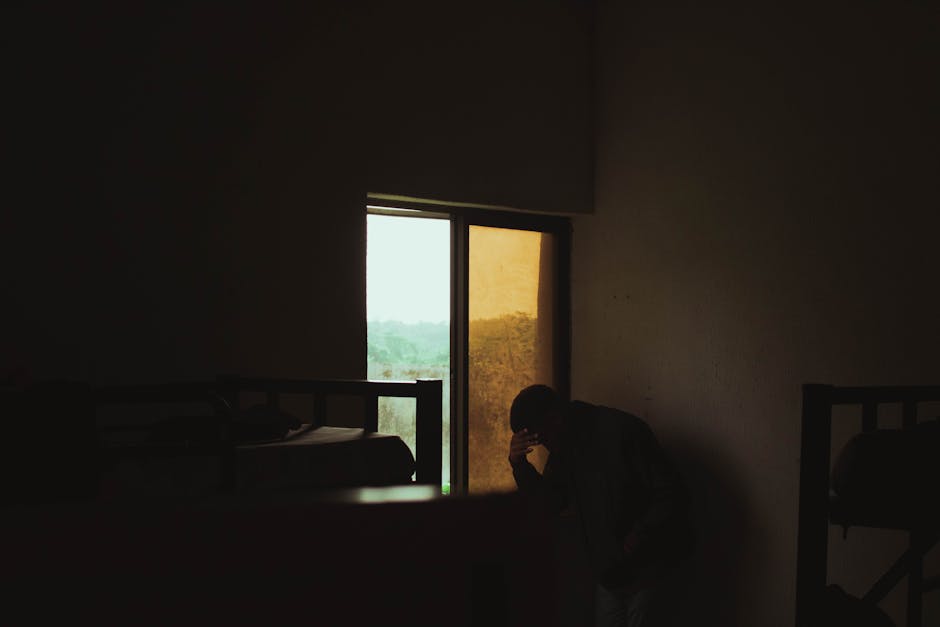
Many students leave home for the first time when they study abroad. Some adapt quickly, while others struggle. For some, life overseas becomes full of difficulties, and they even start to think about giving up on studying abroad altogether.
If you are in this situation, here are three suggestions that may help you adjust to life abroad.
1. Build a hobby
Every time life changes environment, there is a period of adjustment. For students who have just arrived overseas, the challenges go beyond a new environment. They also face academic pressure, language barriers, and the difficulty of making friends. Under that kind of pressure, it is easy to feel like giving up.
Life abroad is never easy. The share of students who struggle to adapt is not small, and some may even develop psychological difficulties. Most students want to solve the problem on their own, but keeping everything bottled up may only make things worse.
Instead, use the time you might spend worrying to develop new interests, such as singing, playing an instrument, or yoga. When negative emotions arise, hobbies can help you release stress and regulate your mood.
2. Be yourself
Beyond adaptation issues, many students also run into problems when making friends. Because of cultural differences or language barriers, it can be hard to fit into local social circles or build truly close friendships with people overseas.
Even keeping in touch with friends back home can be difficult because of time zone differences and other factors. As a result, many students try to please local classmates and imitate their preferences in hopes of fitting in.
In reality, this only adds pressure and does not solve the problem. Take food, for example. If something does not suit you, you do not have to force yourself to accept it. Just do things your own way.
Likewise, constant people-pleasing does not necessarily make others feel better either. It is often more effective to explain your habits and culture to others. That can actually help them understand and accept you.
3. Seek counseling
When many students face too much pressure abroad, they keep everything to themselves and do not talk to anyone. That is not a good approach. Holding in your worries for too long will only make you feel worse, and it may even lead to mental health issues.
If you feel you can no longer cope, there is no need to force yourself to keep going alone. Seek professional counseling to help regulate your emotions and mental state, and try to prevent the problem from getting worse.
In short, studying abroad is not easy, and adjusting to a new environment can be challenging. But with the right approach, you can adapt effectively and keep problems from getting worse.
Related Articles
Finding an MSc that will lead to a global career
Dec 23, 2025
How your business education could solve global challenges
Dec 18, 2025
4 reasons to study in Glasgow
Aug 2, 2024
Alumni interview: My MBA experience studying in France
Mar 10, 2024