
How Chinese and U.S. Undergraduate Education Differ
First, let’s look at some basic facts about undergraduate education in China and the U.S.
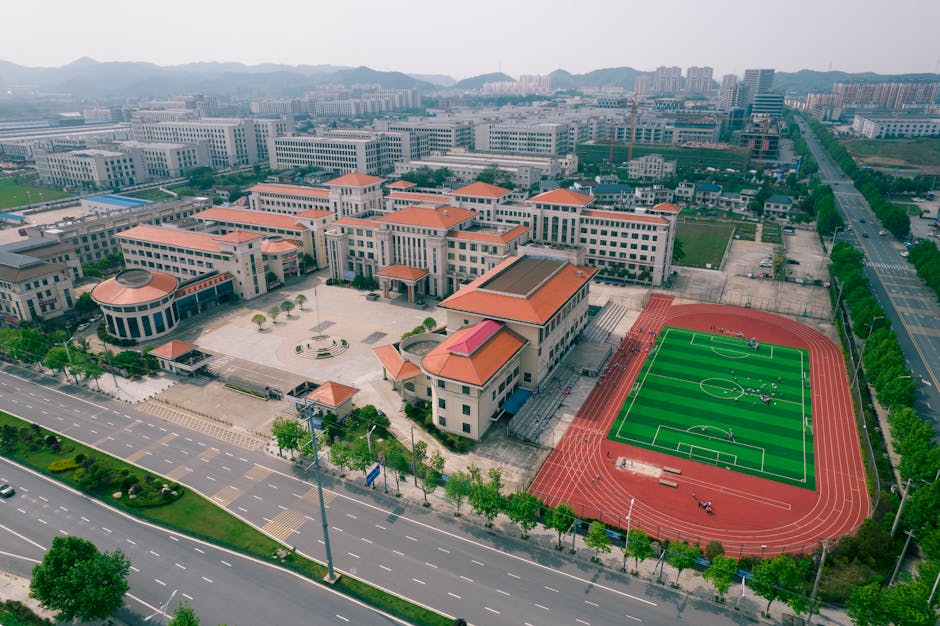
First, let’s look at some basic facts about undergraduate education in China and the U.S. In the United States, admission to elite private undergraduate programs is extremely competitive, such as Harvard University, Yale University, MIT, Stanford, and Princeton. This is much like getting into Peking University or Tsinghua University in China: both are exceptionally difficult.
Overall, the number of students at the U.S. schools mentioned above is comparable to Tsinghua and Peking University in China. The main difference lies in their educational focus.
Let’s start with universities in China. Generally speaking, studying for a degree in China has three advantages:
-
Test scores tend to be better. This is mainly due to China’s emphasis on fundamentals. At every stage of learning, there is a lot of deliberate practice and basic skills training, and enough attention is also paid to test-taking strategies.
-
Students’ overall quality tends to be fairly good. In China, there are many standardized processes, so the students educated within the system are usually not bad overall. They may not all reach elite levels, but maintaining a solid average is definitely possible.
-
Most students can achieve the basic educational goals by the time they graduate. This refers to adapting to society and to social roles. In simple terms, most graduates can become capable, independent adults.
These are the characteristics of Chinese universities. Now let’s look at the characteristics of American universities:
-
They excel in well-rounded development. The number of students abroad may not be larger than in China, but the quality of education is very high. Although the proportion of top students is roughly similar to that in China, the overall level is much higher. Whether in event coordination or interpersonal communication, students are exposed to strong examples and practical experience, which gives them more opportunities.
-
As mentioned above, social practice is another major advantage. Whether doing research or participating in social activities, students have more opportunities to get involved.
-
In terms of personal ability, students tend to be more independent and more self-sufficient. In short, they are able to take responsibility for their own lives, which is very valuable.
-
Students have more opportunities to communicate and learn from one another. This applies both to connections within the university and to relationships with alumni after graduation. Students also place greater emphasis on maintaining relationships with one another.
Overall, if your family can afford it, studying for an undergraduate degree in the U.S. is certainly a good option. However, one important detail should be noted: if a student does not have enough self-discipline, the greater freedom that comes with studying abroad may actually lead to negative results.
Related Articles
Finding an MSc that will lead to a global career
Dec 23, 2025
How your business education could solve global challenges
Dec 18, 2025
4 reasons to study in Glasgow
Aug 2, 2024
Alumni interview: My MBA experience studying in France
Mar 10, 2024