
What Makes a University LGBTQ+ Friendly?
When you are researching study options, how do you know whether a university will truly make you feel like you belong?
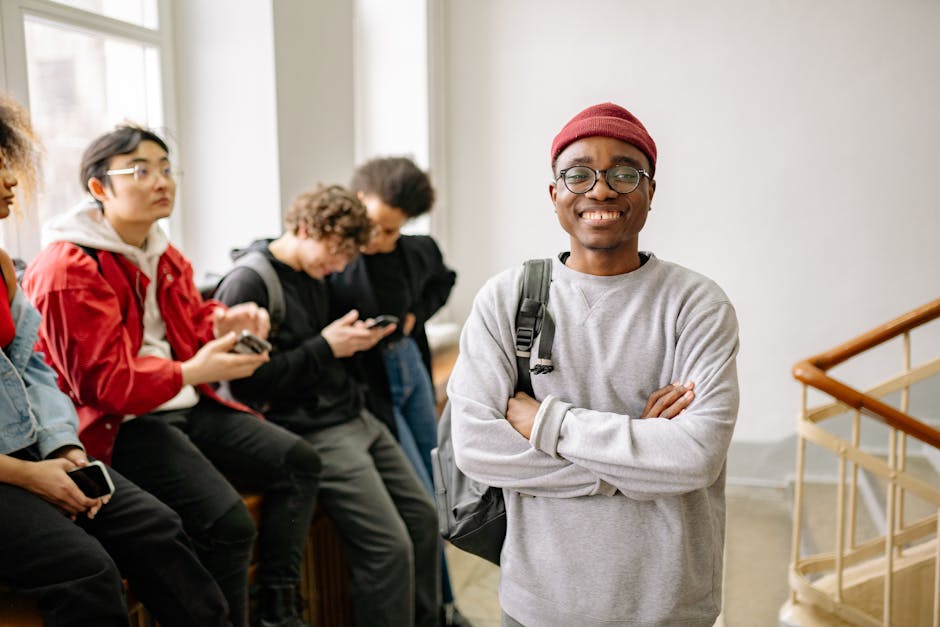
When you are researching study options, how do you know whether a university will truly make you feel like you belong?
To create an environment that welcomes all students, including LGBTQ+ communities, universities need to take a proactive approach. Diversity must be accepted, respected, and celebrated, and above all, students must feel safe.
For criminology student Gabriëlla at Vrije Universiteit Amsterdam (VU), feeling accepted and included is an important part of university life.
“When you are under pressure about how people see you, or how you might be treated or addressed because of your identity, it can be distracting,” she says. “Knowing that you can be yourself means you can focus on your studies, work hard, and bring all of your ideas to the table.”
Understanding what a university must offer LGBTQ+ students is a good place to start, and it is also a useful way to work out what questions to ask when you attend open days and speak with students.
We spoke with Gabriëlla and AI student Kai, both members of the LGBTQ+ network at Vrije Universiteit Amsterdam, to find out how to judge whether a university is truly LGBTQ+ friendly.
What student networks and events are available?
Does the university have an LGBTQ+ or Pride network that offers a space to meet others in the community, get advice and support, take part in social events, and listen to talks about LGBTQ+ issues?
When Kai began their master's degree during the COVID-19 pandemic, they joined their university's Pride network. “That was really important to me because at the time I didn't have any other way to meet students like me. Having that peer support throughout my degree was incredible.
“VU Pride gave me a space to meet people who were further along in their gender identity journey and who could speak with confidence, which was reassuring for me.”
Are LGBTQ+ students listened to?
A key role of an LGBTQ+ network is to give students and staff in the community a voice to raise important issues. Universities that want to create an inclusive environment will work with LGBTQ+ networks to understand how they can make gradual change across the institution.
“Understanding the connection between the LGBTQ+ community and the university helps us feel that our voices are being heard and that change is being made,” Gabriëlla says. “Having gender-neutral toilets and spaces on campus is amazing, but even the smallest changes can help people feel welcomed and accepted. When academics need to group a class without using traditional gender categories, we provide guidance to help them.”
What support services are available for LGBTQ+ students?
All universities offer support services such as medical help, mental health and wellbeing support, disability support, chaplaincy, and more. These may not be LGBTQ+-specific, but does the university have the ability to understand the issues faced by students in the LGBTQ+ community?
Gabriëlla is glad she knows her university will support her throughout her studies. “Getting help from people who understand how to include the LGBTQ+ community, or who can direct me to the right resources, makes me feel safe and that my concerns are valid,” she says.
What LGBTQ+ scholarships are available?
LGBTQ+ scholarships can give students in the LGBTQ+ community opportunities to thrive in their careers. A scholarship can be as simple as financial support, or it can include further support and mentoring to help students reach their full potential.
If a university offers or is connected to LGBTQ+ funding, that suggests it values diversity within its student body and wants to invest in your future.
Does the university offer LGBTQ+ career advice?
When it comes to recruitment, companies are working to become more inclusive and diverse, but as an employee, the right support is not always available. Gabriëlla and Kai believe it can help to have access to careers advisers who understand the challenges LGBTQ+ people face in the workplace.
Kai says: “I think it would be helpful to get guidance on how to deal with uncomfortable situations at work and how to know whether a company will welcome and support you.”
“I would also love to see more LGBTQ+-tailored guidance, so students can see people in the community thriving and finding success for themselves. That would be a confidence boost.”
What policies are in place to protect LGBTQ+ students and keep them safe?
One of the most important factors when considering whether a university is LGBTQ+ friendly is whether there are specific policies in place to protect students and staff.
Knowing that your university has a zero-tolerance policy for harassment or abuse of any student, especially minority students, is fundamental to feeling safe.
Lieneke Luit, programme coordinator for VU Pride, says: “VU Pride is the key point of contact at VU Amsterdam for all LGBTQIA+ students and staff who are dealing with issues related to sexuality or gender identity. We always refer people to more appropriate help when needed, just like the social safety team.”
Are there any openly LGBTQ+ staff members?
Are there scholars and other staff members at the university who openly identify as LGBTQ+? For Gabriëlla and Kai, seeing staff who are willing to be open about their sexuality or gender is a strong sign that you can be fully yourself in the classroom.
“I work with a non-binary professor in the VU Pride network, and seeing them feel safe and comfortable being out in the workplace reassures me that I can be myself here too,” Kai says.
Is the university actively involved in academic research on LGBTQ+ issues?
Another way to understand how important LGBTQ+ issues are to a university is through academic research. If Kai were applying to university again and attending an open day, they would be interested in research being done to better understand LGBTQ+ issues.
“What impact does that research have on people in the community? How does that work affect students' learning across different courses when it comes to addressing LGBTQ+ experiences and perspectives?” Kai adds.
How does the university successfully broaden and include different voices?
“I think the way a university handles equality and inclusion says a lot,” Kai says. “Students want different things from university life, depending on how they identify. Some people may not choose to get involved in an LGBTQ+ committee or social events, but knowing that their university genuinely cares about creating safe spaces and inclusive experiences for the whole student body makes a huge difference.”
How welcoming is your study-abroad destination for LGBTQ+ students?
Not all of university life happens on campus, so understanding a city’s demographics can also be an important part of your university decision.
Gabriëlla suggests doing some research into how free the city is in accepting and embracing people from different backgrounds. “Would you feel safe and comfortable living in the city where your chosen university is based? That can have a huge impact on your experience as an LGBTQ+ student.”
Related Articles
In-State vs. Out-of-State Colleges in the U.S.: Pros and Cons
Jan 22, 2023
Online Learning: How Universities Are Adapting and What September Classes Will Look Like
Oct 11, 2022
What University Students Can Expect in September
Sep 18, 2022
Clearing: How to Secure the Best University Offer
Sep 12, 2022