
Study in France: Essential Packing Guide
Before you head abroad, there is a lot to prepare, and packing is one of the most important parts. After all, studying overseas is not like stepping out your front door; one missed item can cause real hassle.
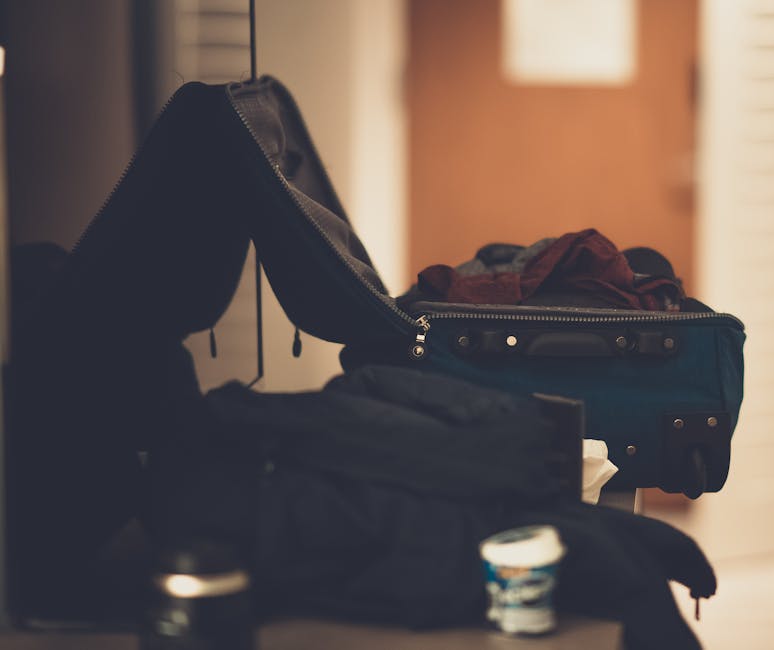
Before you head abroad, there is a lot to prepare, and packing is one of the most important parts. After all, studying overseas is not like stepping out your front door; one missed item can cause real hassle. But if you pack well, everything becomes much easier. The rule for packing is simple: keep it light, but choose carefully so you can handle most unexpected situations.
Today, let's look at what you should pack when studying in France.
1. Things You Absolutely Must Bring
This first category is non-negotiable. These items are either guaranteed to be useful or so important that you must not forget them.
For example, documents related to enrollment and identity are essential. Your passport, ID card, health certificate, photos, admission letter, and similar documents should all be packed.
If you bring school supplies, just take the ones you use most often. Most other things can be bought after you arrive in France.
2. Things You Can Bring If Needed
Some items are optional. Bring only what you actually need and can comfortably carry.
First are everyday items such as towels, bath towels, water bottles, toothbrushes, umbrellas, razors, and so on. If you have room, you can bring them. If they feel too heavy, you can also buy them in France. However, glasses, eye drops, and a power adapter are worth packing.
As for medicine, common over-the-counter items such as cold medicine and fever medicine are best brought from home. If it is a more expensive prescription medicine, you can buy it after you arrive in France.
As for the stationery we mentioned earlier, such as pens, books, and notebooks, most of these are not expensive in France. If they add a lot of weight to your luggage, it is better to wait until you arrive and buy what you need as you go.
And if you are renting a place on your own, there is no need to bring cookware or similar items at all. You can simply buy them after you arrive.
3. Things You Should Avoid Bringing
Aside from the items above, there are some things you should avoid bringing if you can. The less you carry, the less pressure you will have on the way.
For example, heavy coats and large kitchen appliances are not necessary. Prices in France are not much different from those back home, so there is no need to pack them.
Also, some items are not allowed, such as hazardous materials, counterfeit goods, and pirated products. If they are found during inspection, it can become a serious hassle.
In general, it is best to make a packing checklist before departure. That will make everything much easier.
Related Articles
Finding an MSc that will lead to a global career
Dec 23, 2025
How your business education could solve global challenges
Dec 18, 2025
4 reasons to study in Glasgow
Aug 2, 2024
Alumni interview: My MBA experience studying in France
Mar 10, 2024