
How to Pack for Your Year Abroad
When you're heading to a new country to study, it can sometimes feel as though it would be much more convenient if your destination could come to you, or if your clothes could be folded origami-style to avoid a heavy suitcase.
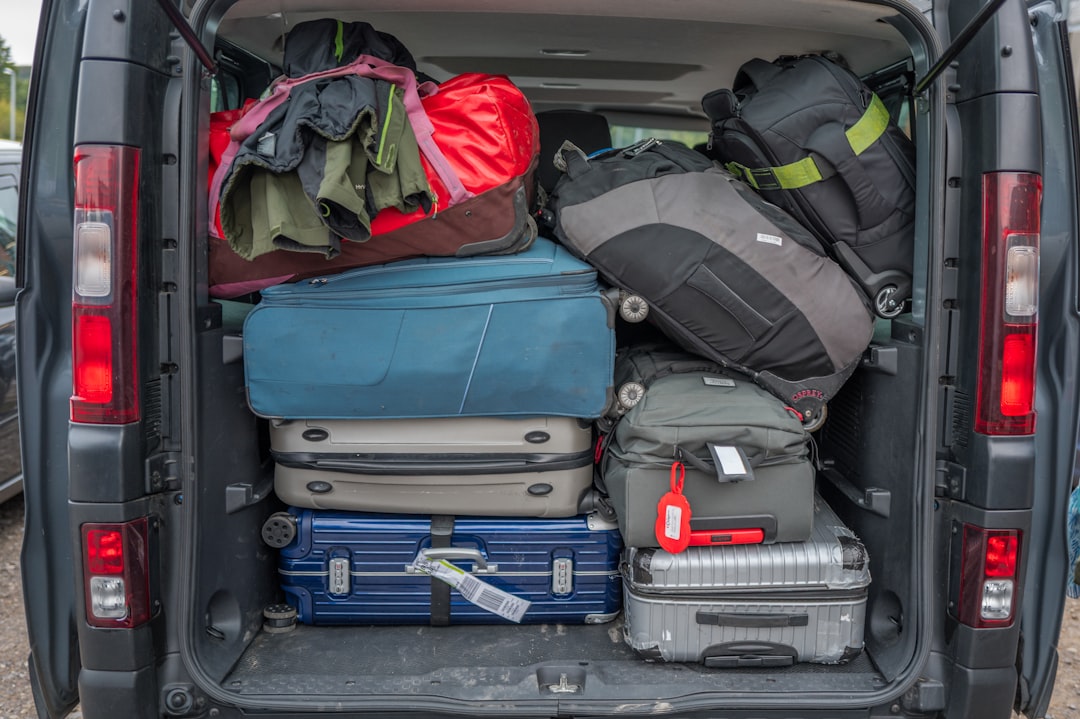
When you're heading to a new country to study, it can sometimes feel as though it would be much more convenient if your destination could come to you, or if your clothes could be folded origami-style to avoid a heavy suitcase.
Unfortunately, that's not possible, and spending a year studying abroad also means you have to pack everything you think you'll need. Don't worry though — it isn't as hard as it might feel at first. Here are a few tips to help you stay organised as you get ready to pack.
Pack light!
[This first step will be harder than you think. Especially since you'll probably have to pay for the luggage you take on the plane, you should focus on bringing just one suitcase. There's also an upside to this: it forces you to set priorities and avoid bringing things you don't need. When planning what to pack, think about the pros and cons of each item. For example, even though you love your treasured Shakespeare collection (pro), you're unlikely to actually read it (unless you're a Shakespeare scholar), and it will take up a lot of space and weight in your luggage (con). So it's better to leave it at home or find an alternative (a lighter edition or an e-book).]
[]
[Learn to love making lists]
Making lists was one of the most effective methods I learned while preparing to pack for my move to the Netherlands. These lists had subheadings (every room in the house), which let me organise what I needed to bring from each space. Ticking items off a list not only gives you satisfaction, but making the list itself is a source of motivation — every red tick represented another step towards my goal.
Your list will also be very useful after you arrive at your destination, as it helps you quickly realise what didn't fit in your luggage and needs to be purchased. The list can include extra boxes for items that don't fit, like duvets and light bulbs.
Prepare for all four seasons
Packing clothes that aren't suited to your destination's climate makes no sense. Look at your wardrobe, research the location you'll be living in, and take notes on everything you think is suitable for the seasons there. For some countries, this will be far easier than others. In the UK, for example, the seasons tend to blend into each other year-round, and you'll find yourself needing a raincoat, a jumper and a pair of shorts all in one week.
There are also some factors to consider when choosing clothes. I'm currently packing clothes suitable for cycling (many of my long skirts are likely to get caught in the wheels), because cycling is the most recommended way to get around Amsterdam.
Allow yourself a few sentimental items
The struggle of packing is understandable, because leaving home is always hard. The packing process can make you nostalgic and emotional, as you'll find countless keepsakes and trinkets that remind you of friends and family. Make sure to leave a little space in that suitcase for some photos, a journal, or stationery, so that once you've settled in at university you can write to your family and friends. Having that sense of comfort will help enormously, especially in those first few weeks when homesickness hits hardest. Over time you'll grow more accustomed to being far from home, and you'll eventually appreciate seeing loved ones during holidays more than ever.
What should go in your carry-on?
Yes — the carry-on is just as hard to pack as your main suitcase. The main reason is that your brain (if it's like mine) tends to treat the carry-on the way it treats the main suitcase, stuffing it with things you don't really need to bring. In the end, this simply isn't workable, so follow the same list method and weigh the pros and cons.
No matter how long the journey — whether by plane, train or ferry — you'll arrive at your destination exhausted and unlikely to unpack everything immediately. Making sure your toiletries/medicine, pyjamas and any cables, chargers or other electronics are easy to find in your carry-on will help you enormously (and don't forget a travel adapter!).
Starting early beats starting late
This one is pretty obvious, but packing — especially for studying abroad — is a big task that needs plenty of time. The sooner you finish packing, the more time you'll have before you leave to see friends or spend time with family. Since I still have a few weeks before my year abroad, I already know what I need to pack and have my supplies nearby, which means I can spend the next week reading, crossing items off my summer shopping list, and catching up on sleep. Starting early also gives you more time to order anything you suddenly realise you need, so get started!
Related Articles
Finding an MSc that will lead to a global career
Dec 23, 2025
How your business education could solve global challenges
Dec 18, 2025
4 reasons to study in Glasgow
Aug 2, 2024
Alumni interview: My MBA experience studying in France
Mar 10, 2024