
How to Improve Your Credit Score as a Student
Credit scores are not something schools or universities often teach you about, unless you study Accounting and Finance. Still, they matter a great deal and can have a major impact on your future.
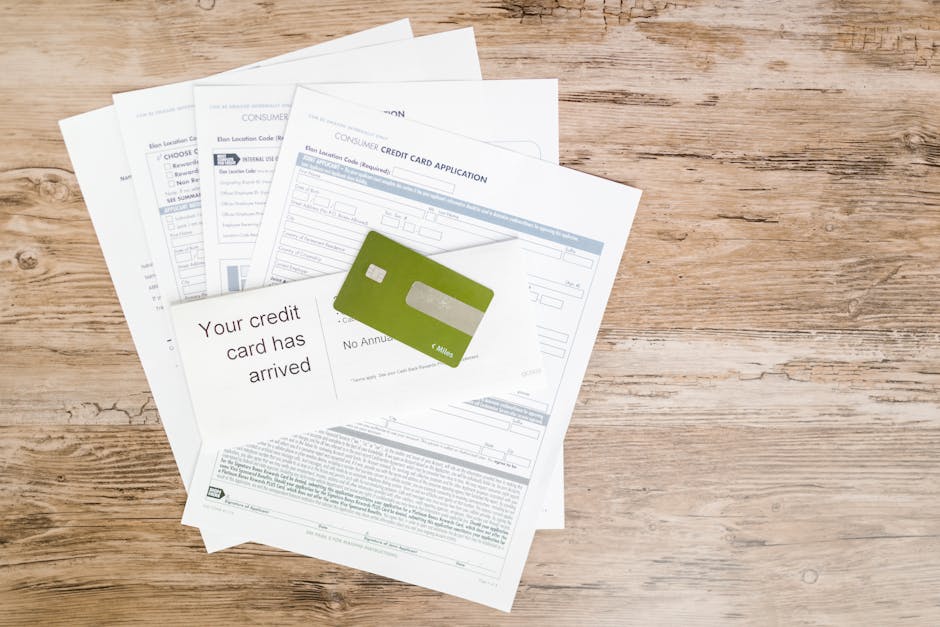
Credit scores are not something schools or universities often teach you about, unless you study Accounting and Finance. Still, they matter a great deal and can have a major impact on your future.
If you want to apply for a mortgage, credit card, or loan, having a good credit score is important. It can also affect your car insurance, bank account, and mobile phone bill.
So, in short, it matters quite a lot.
If you are not sure how to improve your credit score, or even what a credit score is, you are definitely not alone.
In this article, we will explain the basics of credit scores: what they are, how to check them, and what you can do to improve yours.
So, what exactly is a credit score?
Imagine you want to get a credit card. To apply, you go online to the bank’s website and fill in some details about yourself and your financial situation.
The bank then checks your credit report: a record of how reliably you have managed and repaid debt in the past, including loans, credit cards, and bills. Your credit report is a detailed history of your credit, including personal information, credit account information, and public records.
That report is used to calculate your overall credit score, along with any additional information you provide. It shows potential lenders how reliable you are when it comes to repaying money.
The higher your credit score, the lower the risk you pose to lenders, so banks are more likely to offer you a loan.
In other words, if your credit score is low, you may not get that credit card, because low credit score = high financial risk.
Why should I care?
Here are some of the things a bad credit score can affect.
Renting a house or apartment. A landlord may run a credit check to make sure you can afford the rent. If your credit score is very low, they may see you as a high-risk tenant and refuse to rent to you.
Getting a job. Employers may run a credit check before hiring you to make sure you are suitable for the role.
Being denied a loan. Poor credit can make it harder to get a mortgage, personal loan, car loan, credit card, or even some federal student loans.
Mobile phone contracts. Many providers run a credit check before accepting a new phone customer to make sure you can pay on time.
Your insurance premiums. Poor credit may mean insurers charge you higher premiums because you are seen as higher risk.
When you apply for any of these, potential lenders will usually check your credit score, and if it is low, you are unlikely to be approved.
Okay, but how can I check my credit score?
Checking your credit profile is relatively easy. You can use credit reference agencies such as Experian, TransUnion, and Equifax, all of which will have a record of your credit rating.
Checking your score will help you understand where you stand when applying for credit. As your score improves, you will have better chances of getting more favorable financial deals, such as lower insurance premiums.
As a student, how can I improve my credit score?
There are many easy ways to improve your credit score. Your future self will thank you for it.
What to do
Make sure you are on the electoral register. This makes it easier for lenders to verify who you are, which increases your chances of being accepted for credit.
Use your credit card carefully and regularly. Using your card often and repaying it in full and on time shows lenders that you are reliable and can be trusted with money.
Take out a mobile phone contract. This also shows lenders that you can reliably make payments on time.
Pay your bills on time. If you can pay other bills on time, lenders are more likely to believe you can repay a loan, because you appear financially stable and responsible.
What not to do
Keep applying for credit cards after being rejected. If you are turned down for a credit card, the worst thing you can do is keep applying. To lenders, this makes you look desperate for quick cash and could make your credit profile worse.
Have multiple overdrafts. Several overdrafts are a major red flag to lenders because they suggest you cannot manage your spending responsibly.
Have lots of unused credit accounts. If you have too much available credit, lenders may think you will not be able to handle any more.
Use up all of your available credit. Also, try not to max out your available credit, as this can stop your score from improving.
If you are wondering, your government student loan will not affect your credit score. It will not even appear on your credit report, so there is no need to worry.
Related Articles
80% of UK Students Face Financial Hardship from COVID-19
Feb 21, 2023
6 Flexible Part-Time Jobs for Students
Feb 1, 2023
Scholarships for Mature Students
Sep 11, 2022
How to Spot and Avoid U.S. Student Loan Scams
Aug 26, 2022