
UK University Tuition Fees to Rise with Inflation Each Year
The UK Parliament has passed a last-minute bill allowing British universities to raise tuition fees each year until 2020.
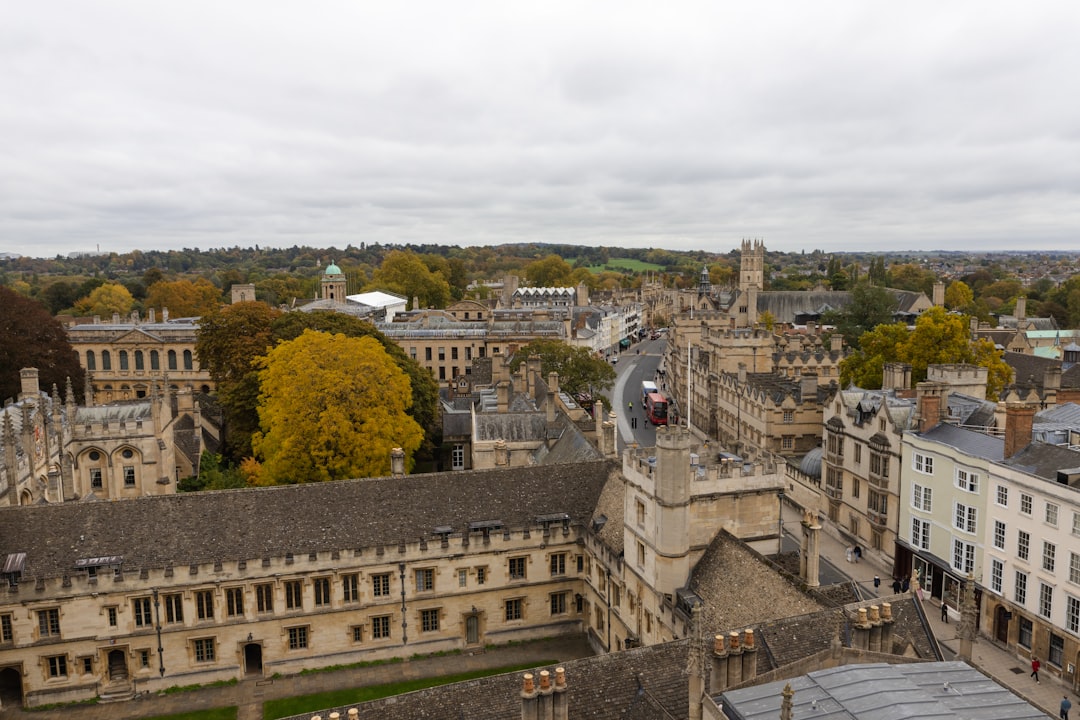
The UK Parliament has passed a last-minute bill allowing British universities to raise tuition fees each year until 2020.
Last Thursday, Parliament approved the Higher Education and Research Act, which will see tuition fees for domestic and EU students rise to £9,250 from autumn 2017.
Under the law, fees were originally due to increase in line with the quality of teaching that universities could demonstrate, but that policy will not be implemented until 2020. Until then, most universities that have opted into teaching quality reviews will be able to raise fees in line with inflation.
Student Debt Rises
Domestic and EU tuition fees for the 2018/19 academic year have not yet been announced, but they are expected to reach around £9,500. It was recently confirmed that EU students starting at UK universities from the 2018/19 academic year onward will continue to pay the same tuition fees as home students and will remain eligible for the same loans and grants.
The increase in fees may worry students, who are already facing a sharp rise in the interest rate on tuition fee loans from 4.6% to 6.1%, but this change will not affect monthly repayment amounts because they are income-based.
Although rising debt may be unsettling, many students can at least take comfort in the fact that, under current rules, they are unlikely to repay all of their loans within 30 years after graduation, or within 25 years for those who took out loans before 2012.
The news was released ahead of the snap general election in the UK on June 8.
Related Articles
How Will Technology Change the University Experience for Students?
Dec 6, 2019
Nearly Half of Students are Stressed at UK Universities
Aug 22, 2019
Labour Want To Abolish Predicted A-Level Grades: Is it a Good Idea?
Aug 14, 2019
NUS Reveals Shocking Scale of Sexual Violence at UK Universities
Jun 21, 2019